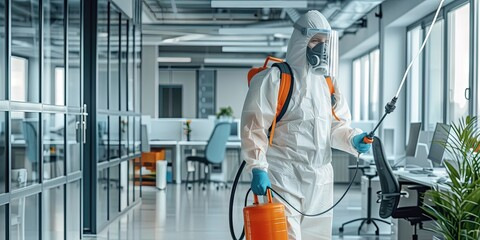
You walk into your office expecting a clean, professional environment, but something feels off. Maybe there is an unusual odor, a trail of ants near the break area, or signs of activity in storage spaces. Even small pest issues can disrupt productivity and create discomfort in a workplace. In a professional setting, maintaining cleanliness and safety is essential, and pest control plays a critical role in achieving that.
Pest control for office spaces is not just about removing insects or rodents. It is about creating a healthy, safe, and productive environment for employees and visitors. Understanding how office pest control works helps ensure that your workspace remains clean, compliant, and free from unwanted disruptions. Contact Ben’s Pest Control to learn more.
Understanding Office Pest Control
Office pest control refers to the management and prevention of pests in commercial work environments. Unlike residential settings, offices often have unique challenges such as shared spaces, food storage areas, and high foot traffic.
The goal of office pest control is to eliminate existing infestations and prevent future ones. This involves identifying problem areas, applying appropriate treatments, and implementing long term prevention strategies.
Effective pest control ensures that the office environment remains professional and comfortable. It also helps protect equipment, furniture, and documents from potential damage.
Common Pests Found in Offices
Offices can attract a variety of pests depending on the environment and conditions. Ants are one of the most common, often drawn to food crumbs and sugary substances in break rooms.
Cockroaches can appear in areas with moisture and food waste. They are particularly concerning because they can spread bacteria and contaminate surfaces.
Rodents such as mice may enter through small openings and seek shelter in storage areas or behind walls. They can cause damage by chewing on wires and materials.
Other pests may include flies, spiders, and occasionally bed bugs, especially in shared or high traffic environments.
Recognizing these pests early helps prevent larger infestations and maintains a clean workspace.
Why Pest Control Is Essential for Offices
Maintaining a pest free office is important for several reasons. One of the most significant is health and safety. Pests can carry bacteria and allergens that affect the well being of employees.
Professional appearance is another key factor. An office with visible pest issues can create a negative impression on clients and visitors.
Productivity can also be affected. Disruptions caused by pests can distract employees and reduce efficiency.
In addition, pests can damage property. Rodents and insects can harm equipment, furniture, and stored materials.
By addressing pest issues promptly, offices can maintain a safe and professional environment.
The Office Pest Control Process
The pest control process in an office setting typically begins with a detailed inspection. This step identifies the type of pests present, the extent of the problem, and the areas affected.
Once the issue is understood, a treatment plan is developed. This may include targeted applications, traps, or other methods designed to eliminate pests.
After treatment, follow up monitoring ensures that the problem has been resolved. Adjustments can be made if necessary to address any remaining activity.
Prevention is a key part of the process. Measures such as sealing entry points, improving sanitation, and managing waste help reduce the risk of future infestations.
A structured approach ensures that pest control is both effective and long lasting.
Preventive Measures for Office Spaces
Prevention is one of the most effective ways to manage pests in an office. Keeping the workspace clean is essential for reducing attractants.
Regular cleaning of desks, floors, and common areas helps eliminate food crumbs and spills. Break rooms should be maintained carefully, with proper storage of food and regular disposal of waste.
Sealing cracks and gaps in walls, doors, and windows prevents pests from entering. Even small openings can serve as entry points.
Managing moisture is also important. Fixing leaks and ensuring proper ventilation helps reduce conditions that attract pests.
By maintaining a clean and well organized environment, offices can significantly reduce the likelihood of infestations.
Choosing the Right Pest Control Approach
Selecting the right pest control approach depends on the specific needs of the office. Factors such as the type of pests, size of the space, and level of activity influence the treatment plan.
Some offices may require regular maintenance services, while others may need occasional treatments for specific issues. A customized approach ensures that the solution is effective.
Eco friendly options are also available for offices that prioritize sustainability. These methods focus on minimizing environmental impact while still addressing pest problems.
Working with professionals helps ensure that the chosen approach is safe, efficient, and suitable for the office environment.
Maintaining a Pest Free Office Environment
Maintaining a pest free office requires ongoing attention. Regular inspections help identify potential issues before they become serious.
Consistent cleaning routines and proper waste management are essential for long term success. Employees can also play a role by keeping their workspaces clean and reporting any signs of pests.
Periodic professional services can provide additional support, ensuring that preventive measures remain effective.
By staying proactive, offices can maintain a clean and comfortable environment for everyone.
Final Thoughts
Pest control for office spaces is an essential part of maintaining a healthy, safe, and professional work environment. It goes beyond eliminating pests and focuses on prevention, cleanliness, and long term management.
By understanding common pest issues and implementing effective strategies, offices can reduce risks and ensure a comfortable workspace. Regular maintenance and professional support further strengthen these efforts.
In the end, a pest free office is not just about appearance. It is about creating a space where employees can work efficiently and confidently, knowing that their environment is well maintained and protected.
